


 ← The Elixir
Why Effort Will Always Outrun Talent
There’s been a book sitting on my shelf for years.
I’d heard about it from friends. Seen quotes from it online. People said it was the kind of book that shakes you up a little—challenges the way you see yourself.
That book is Mindset by Carol Dweck.
This week, I finally picked it up. And now I understand the hype.
It’s powerful in its simplicity: there are two ways to see the world.
You either believe who you are is fixed—the Fixed Mindset—or you believe you can grow, adapt, and change—the Growth Mindset.
The first keeps you boxed in. The second sets you free.
The Underdog Everyone Overlooked
If you haven’t heard of Seabiscuit, let me introduce you.
He was a racehorse from the 1930s who became one of the most unlikely champions in American sports history. Undersized, overlooked, and misunderstood, he was never expected to win much of anything. But Seabiscuit didn’t just win—he became a national symbol of hope during the Great Depression.
His story isn’t just about racing. It’s about mindset.
Seabiscuit wasn’t supposed to win anything.
He was small, awkward, and walked with a bit of a limp. He lost his first 17 races. Trainers gave up on him. Other horses were bred with fanfare. He was treated like a joke.
But Seabiscuit didn’t need people’s approval to become what he was capable of. He just needed a chance—and someone who believed growth was possible.
Enter trainer Tom Smith, who saw something others didn’t. And jockey Red Pollard, who’d been beaten down by his own failures but still held onto a sliver of belief.
Together, they created space for something extraordinary.
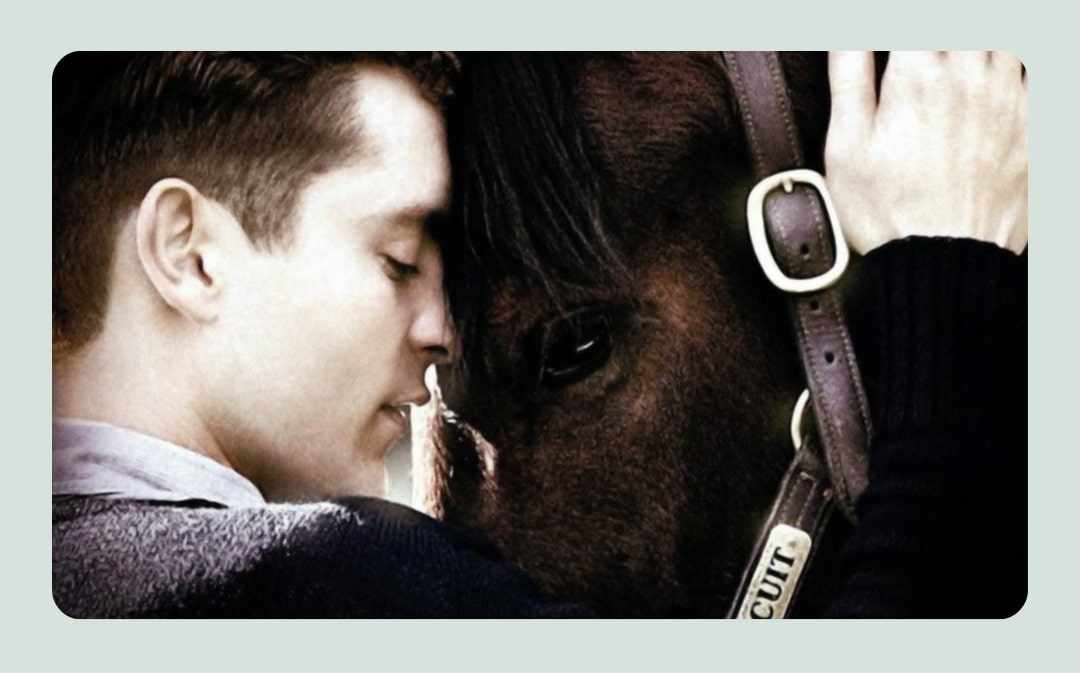
Fixed vs. Growth (In Horse and Human)
The Fixed Mindset says: You are what you are. You’re born with a limit. You either have it or you don’t.
If that mindset had won, Seabiscuit would’ve been retired in obscurity.
But the Growth Mindset says: You are what you’re willing to become. And effort—not just talent—determines your future.
That’s what drove Seabiscuit to race against—and beat—the seemingly unbeatable War Admiral in 1938. He didn’t win because he was born great.
He won because he was trained differently. Believed in differently. Fought differently.
He was developed.
Just like you can be.
What This Means for You
We love the idea of the underdog because we see a piece of ourselves in them.
How many times have you counted yourself out too early? How often do you feel like the odds are against you—that others are faster, better, more naturally gifted?
But what if it’s not about talent? What if it’s about belief?
Belief that you can get better. Belief that failure is feedback—not a full stop. Belief that your story isn’t over.
In Mindset, Dweck reminds us: the biggest transformations begin when we stop asking, "Am I good at this?" and start asking, "How can I get better at this?"
That’s when the real shift happens. That’s when you stop seeing limitations and start seeing levers.
Seabiscuit had every reason to quit. But he didn’t.
He grew into something remarkable—because he was underestimated, because he started behind, because he kept going.
So can you.
Have a great week ahead.
Kia Kaha & Love,
Chris
Currently reading: Mindset by Carol Dweck
Watch the story: Seabiscuit – Official Trailer